













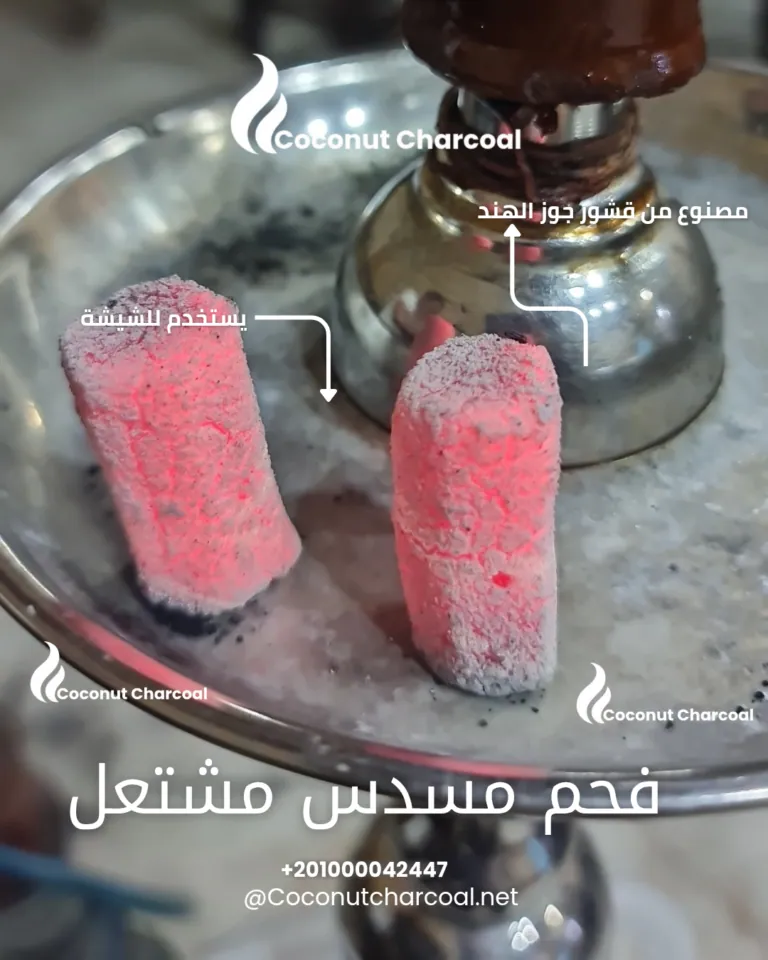
1. Crackling and sparks
Cause: moisture trapped inside the piece turning to steam, or impurities such as sand in the raw material. Fix: store charcoal sealed and dry, and heat it gradually. Ask your supplier: the maximum moisture and how the raw material is cleaned.
2. Odd smell or taste
Cause: usually putting charcoal on the bowl before it is fully lit, using lighter fluid, or charcoal blended with other materials or an unsuitable binder. Fix: light until it glows on all sides as in how to light coconut charcoal. Ask your supplier: is it 100% coconut shell, and what binder is used?
3. Breakage and dust in the carton
Cause: weak pressing or drying, loose packing, or rough handling. Fix: choose a grade with a higher drop test result if your shipment travels far or is handled a lot: ours score 8–10 out of 10 for Platinum, 7 for Super Premium and 5–6 for Premium. Ask your supplier: for the drop test result, and test it yourself with 6 simple tests.
4. Black, grey or heavy ash
Cause: incomplete lighting (the surface looks dark), impurities in the raw material, or an economy grade by nature. Fix: judge colour after full burning, and choose a white-ash grade if your customers care. Details in hookah charcoal ash content.
5. Slow lighting
Cause: moisture, a weak burner, or a larger size. It is normal for coconut charcoal to need 8 to 12 minutes, but if it takes much longer, moisture is the prime suspect. Fix: dry storage and a suitable burner.
6. Short burn time
Cause: lower density, smaller size, strong airflow, or a lower grade. Fix: compare at the same size and conditions, and choose grade and size to match typical session length in your market. Read how long coconut charcoal lasts.
7. Smoke in the first minutes
Cause: volatile matter and moisture escaping at the start of lighting, which is normal to a small degree. Smoke that continues after the charcoal is fully lit points to a raw material or carbonisation problem. Fix: light in a well-ventilated place and only use charcoal once fully lit. Volatile matter is explained in coconut charcoal specifications explained.
What should an importer do about customer complaints?
- Collect photos or video of the problem with the batch number or shipment date.
- Test a sample from the same carton yourself, using the right method, to separate product issues from usage issues.
- Check storage conditions at your warehouse and your distributors.
- Share findings with the supplier early, and specify the required specifications precisely in the next order.
Frequently asked questions
Why does hookah charcoal spark or crackle?
Usually moisture trapped inside the piece or impurities in the raw material. Dry storage and gradual heating reduce it.
Why does my charcoal make the shisha taste bad?
Most often because it went on the bowl before it was fully lit, or lighter fluid was used, or the charcoal is blended with other materials.
Why does charcoal arrive broken?
Weak pressing, loose packing or rough handling. The drop test measures resistance to breakage, and higher grades are stronger.
Is some smoke at the start of lighting normal?
Yes, a little. Smoke that continues after the charcoal is fully lit points to a raw material or manufacturing problem.
Further reading: